Awesome Quotes & Children’s Stories

“As I passed the other houses on my street I found I was able to “read” the lights in my many neighbors’ homes; I knew why particular lights were on, and what they meant….All these lights, and others, taken together formed a sort of constellation for me, a picture of my neighbors inside their homes, living their lives, side by side with mine. Picturing myself as one point of light within that constellation was comforting.” Page 220

“What do we know even now? Ask the children. Look at what they grew up to be. We can only speak of the things we carried with us, and the things we took away.” Page 10

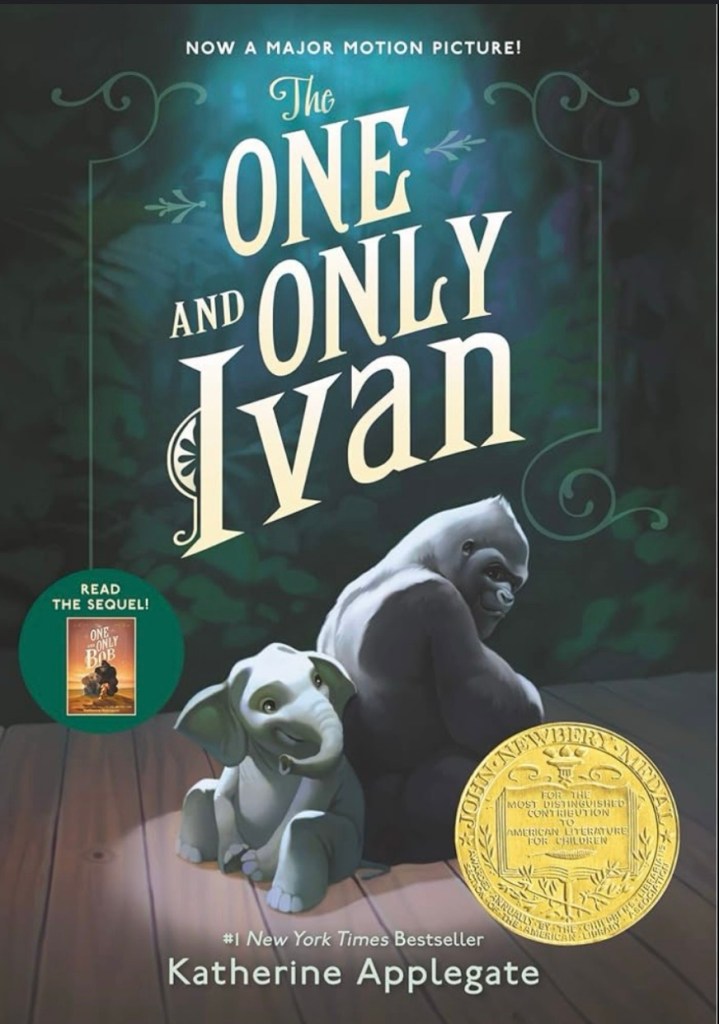
“There is perhaps only one thing to say to this infant, who is all future, overlapping briefly with me, whose life barring the improbable, is all but past. The message is simple: When you come to one of the many moments in life where you must give account of yourself, provide a ledger of what you have been, and done, and meant to the world, do not, I pray, discount that you filled a dying man’s day with a sated joy, a joy unknown to me in all my prior years, a joy that does not hunger for more and more but rests, satisfied. In this time, right now, that is an enormous thing.” Page 199

In reference to the word unbelievable—“What a foolish word. A rude and disrespectful word. We think we use it to flatter and give credit to….Why would we define things that are incredible and awesome, things that actually make us believe in them more, with this pillar of antonym? Give incredible more credit.” Page 205
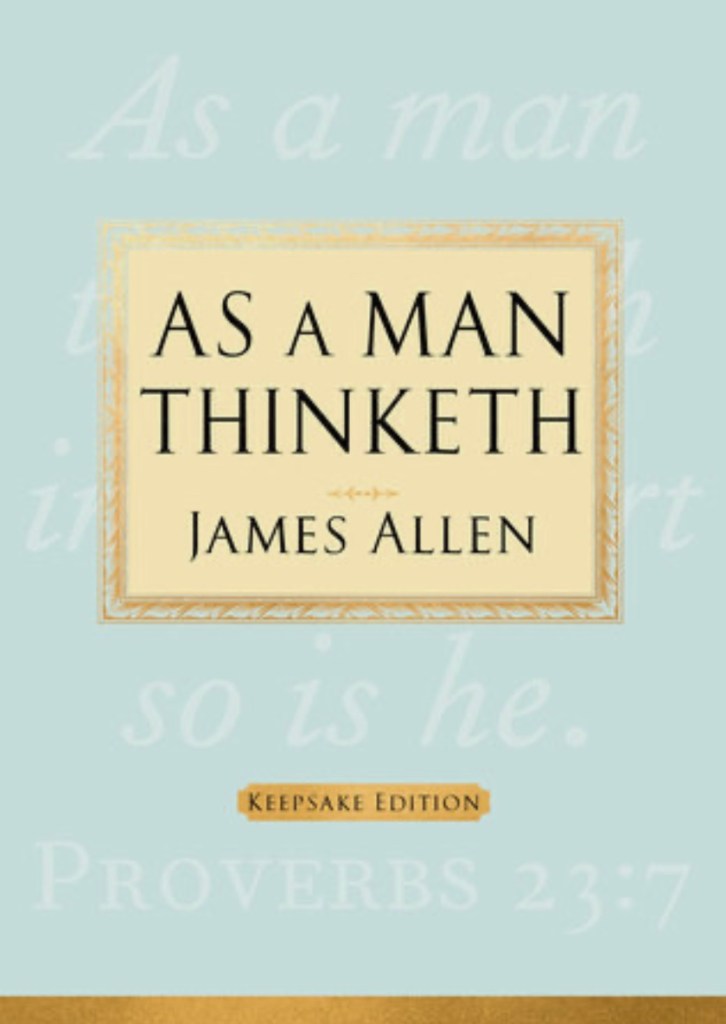
“A man’s mind may be likened to a garden, which may be intelligently cultivated or allowed to run wild; but whether cultivated or neglected, it must and will, bring forth…..Every thought-seed sown or allowed to fall into the mind, and take root there, produces its own, blossoming sooner or later into act, and bearing its own fruitage of opportunity and circumstance. Good thoughts bear good fruit, bad thoughts bad fruit.” Page 4 & 6
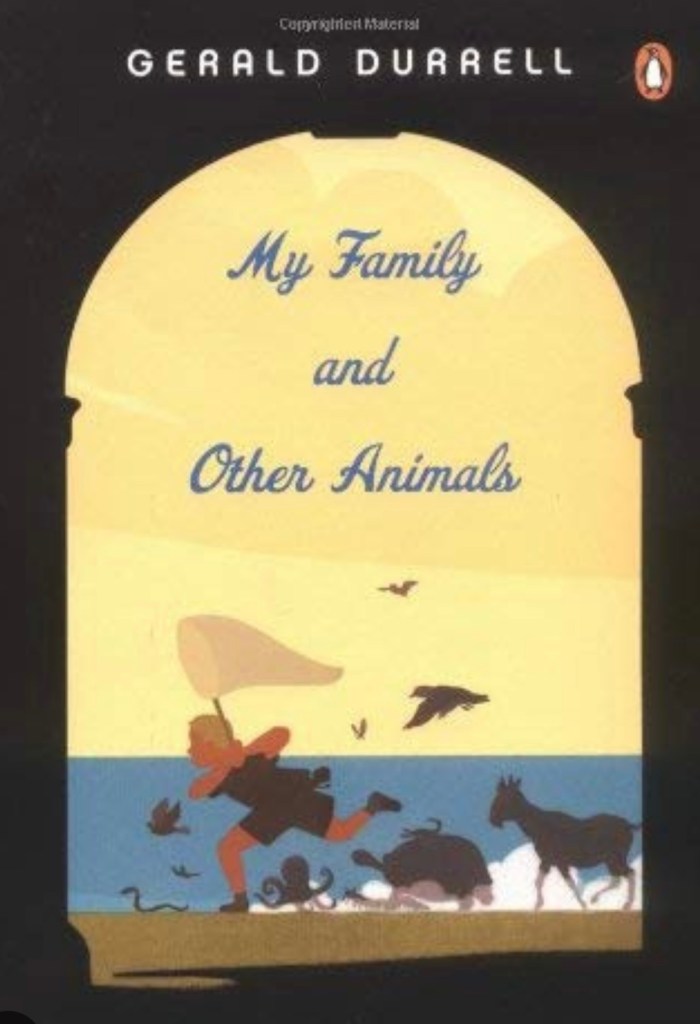
“As well as developing a passion for strawberries, Achilles also developed a passion for human company. Let anyone come into the garden to sit and sun-bathe, to read, or for any other reason, and before long there would be a rustling among the sweet williams, and Achille’s wrinkled and earnest face would be poked through….If, however, you were lying on a rug, sun-bathing, Achilles would be convinced that you were lying on the ground simply in order to provide him with amusement…..He would pause, survey you thoughtfully, and then choose a portion of your anatomy on which to practice mountaineering.” Pages 36-37 about his pet tortoise
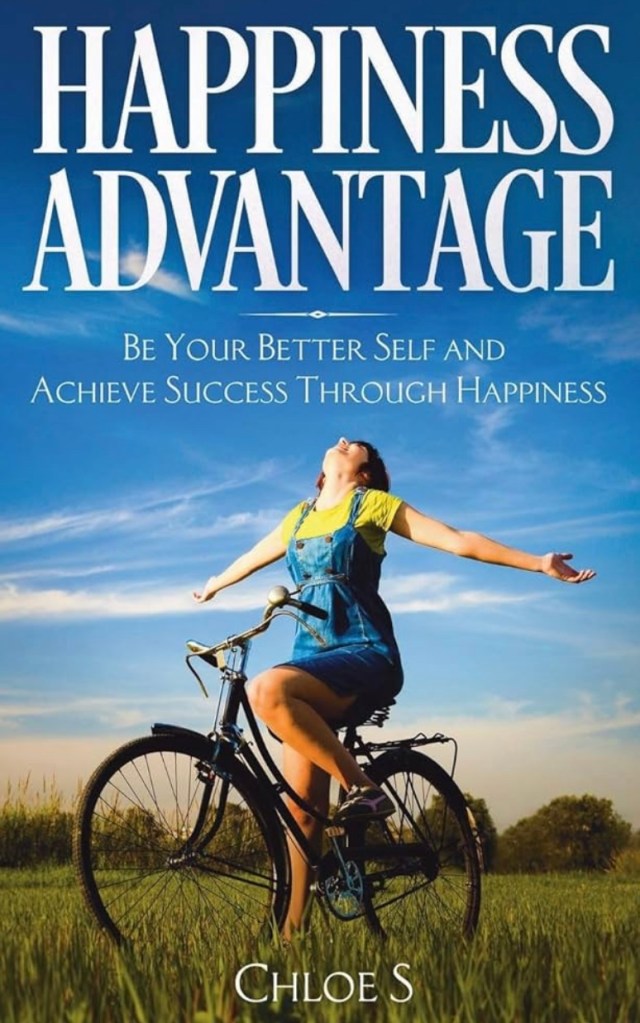
“Your brain at positive performs significantly better than at negative, neutral, or stressed….the big 10 positive emotions are love, joy, gratitude, serenity, interest, hope, pride, amusement, inspiration and awe.” Page 6-7
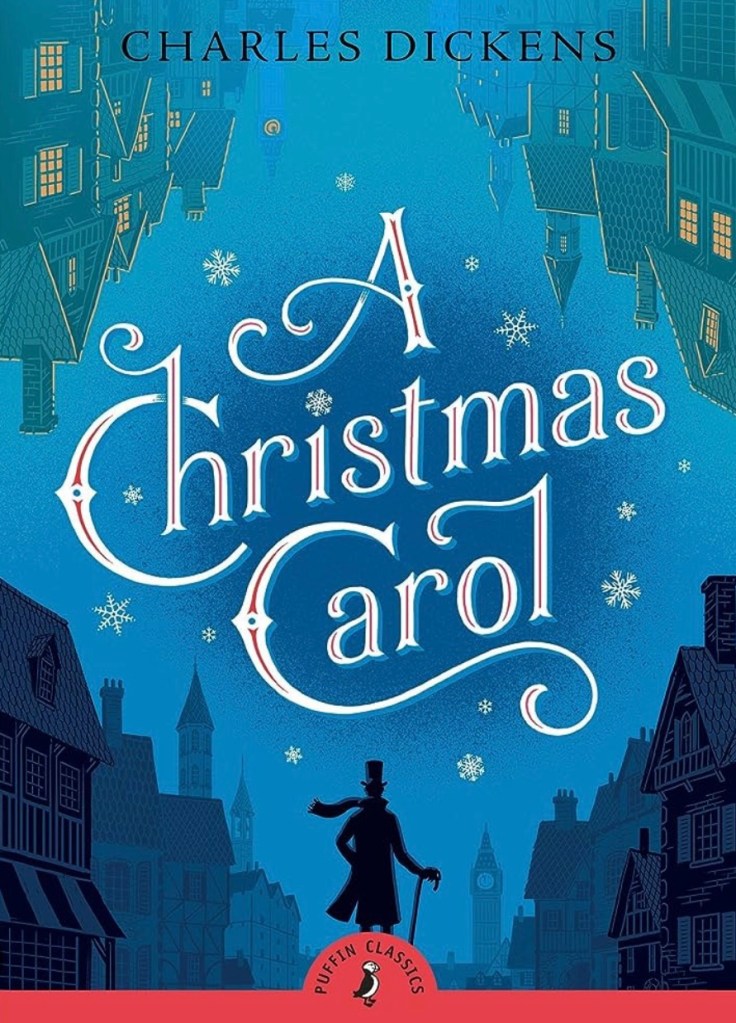
In speaking of his old boss Fezziwig: “He has the power to render us happy or unhappy, to make our service light or burdensome, a pleasure or a toil. Say that his power lies in words and looks, in things so slight and insignificant that it is impossible to add and count ‘em up; what then? The happiness he gives is quite as great as if it cost a fortune.” Page 46
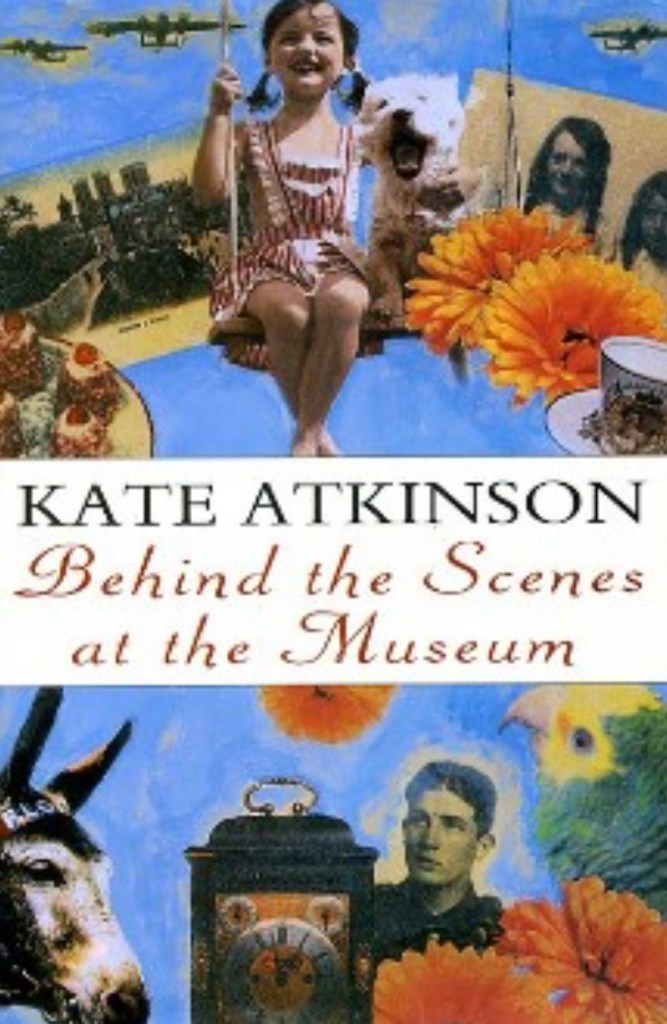
“Bunty notices a fly crawling towards the arrowroot biscuits. Very stealthily, Bunty picks up the fly swatter that my grandmother always has handy and skillfully bats the fly out of existence. A second ago that fly was alive and well, now it’s dead. Yesterday I didn’t exist, now I do. Isn’t life amazing?” Page 23
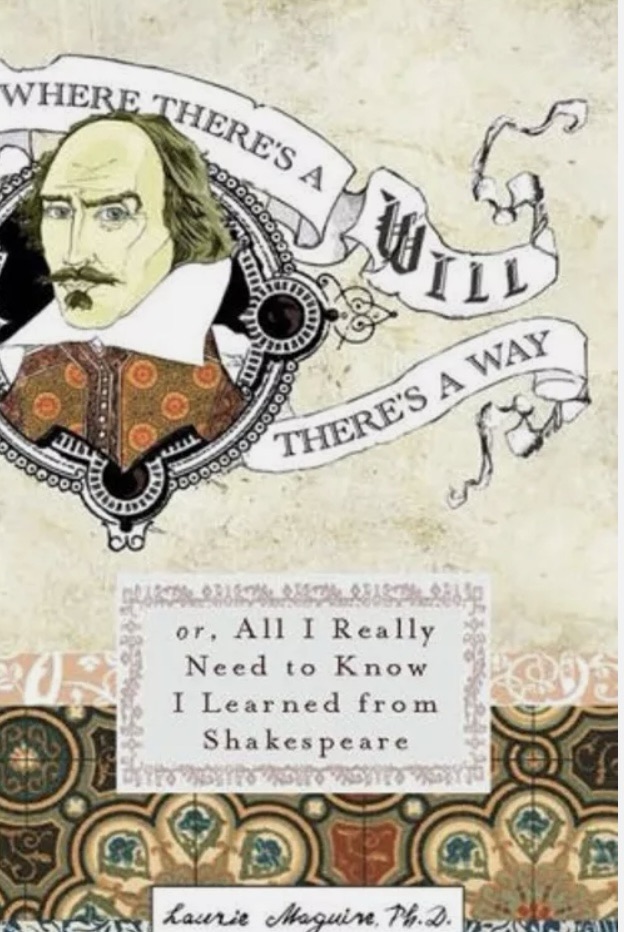
King Lear asks “Who is it that can tell me who I am?” This is a question we might all pose of ourselves. But Lear’s general category of man is complicated by subdivision. He is not just a man, but a king and a father. And these subdivisions are further divided. The king is about to retire, and his youngest daughter is about to marry. He is trying to find himself at two transitional moments when his sense of self is being renegotiated.

“A letter is a time bomb” and this book allows you to look into the windows of 27 worlds.

“No book is really worth reading at age ten which is not equally, and often far more worth reading at the age of fifty.”
C.S. Lewis



 Happy Mail Archive